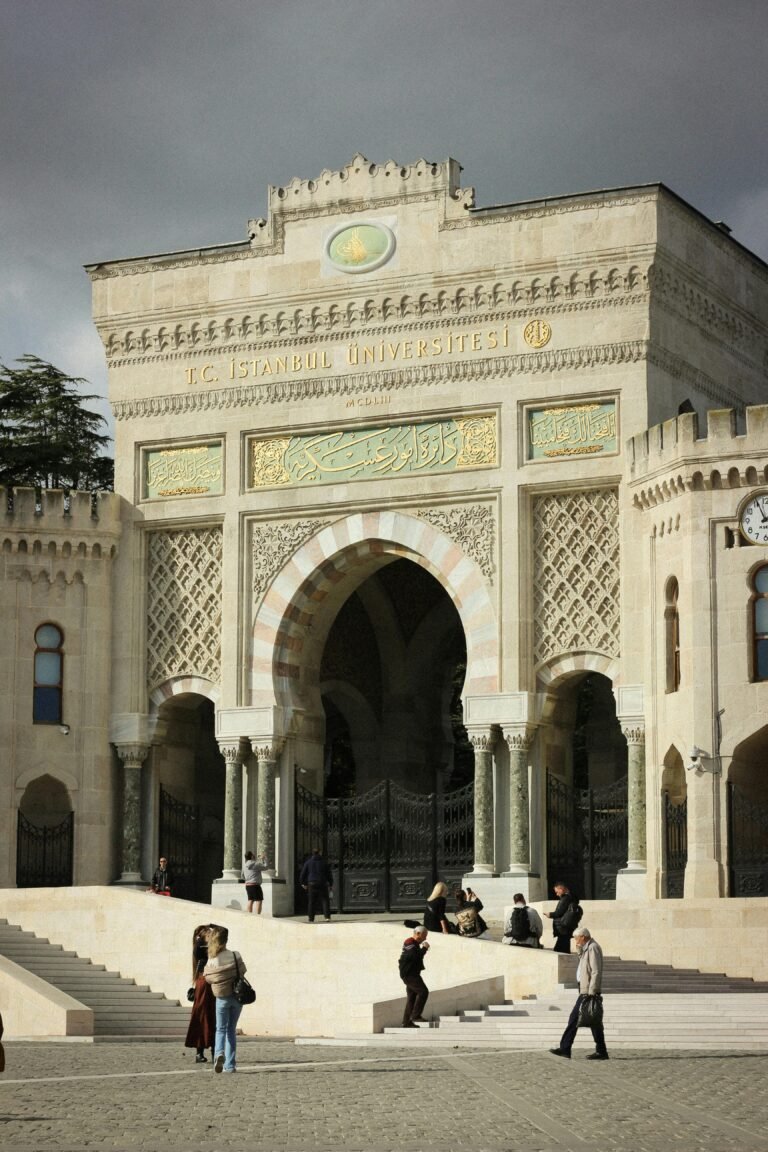
In March 2026, Higher Education in Europe is no longer defined just by the structural alignment of the Bologna Process, but by a shift toward “Deep Institutional Integration.” While the 1999 Bologna Declaration laid the groundwork for a three-cycle system (Bachelor/Master/PhD), the current focus is on the European Universities Initiative and the move toward a “Union of Skills.”
The European Higher Education Area (EHEA) now includes 49 countries, though the rights of Russia and Belarus remain suspended as of early 2026.
🏛️ 1. The Bologna Foundation (The Three-Cycle System)
The “Bologna model” remains the universal standard across Europe to ensure qualifications are readable and comparable.
- ECTS (European Credit Transfer System): This is the “currency” of European degrees. One academic year typically corresponds to 60 ECTS credits.
- Automatic Recognition: By 2026, the goal of “automatic recognition” has largely been met across EHEA member states. If you hold a Bachelor’s from a certified university in Portugal, it is legally and academically recognized for Master’s entry in Norway or Germany without a lengthy equivalence process.
- The Diploma Supplement: Every graduate now receives a standardized description of their studies, making it easier for 2026 employers to understand the specific skills gained regardless of the country of origin.
🇪🇺 2. The Rise of “European University Alliances”
In 2026, the most significant trend is the European Universities Initiative. Instead of just “exchanges,” universities are forming permanent “alliances” that act as single entities.
- Total Integration: Currently, over 70 alliances connect more than 600 universities. These alliances (like EUt+ or CIVIS) offer “European Degrees” where a student might spend Year 1 in Madrid, Year 2 in Stockholm, and Year 3 in Paris.
- Joint Degrees: By mid-2026, the first wave of truly “transnational” joint degrees has been awarded, bypasssing traditional national barriers to curriculum design.
- Erasmus+ 2026: The program has a budget of approximately €5.2 billion for this year, with a massive focus on “Blended Intensive Programs”—short, high-intensity physical mobility combined with a virtual collaborative component.
🤖 3. The “AI Fluency” & Digital Pivot
In 2026, European institutions are moving from “managing” AI to “Operationalizing” it.
- AI Fluency as a Standard: “AI Literacy” is now being embedded as a cross-disciplinary requirement. A 2026 Philosophy graduate in Europe is expected to understand AI ethics and prompt engineering as much as a Computer Science student.
- Digital Product Passports: To align with EU regulations, many universities have started issuing Blockchain-verified credentials. This makes your degree “un-falsifiable” and instantly shareable with LinkedIn or global recruiters.
- The “Twin Transition”: Universities are mandated to teach skills that support both the Green Transition and the Digital Transformation.
📊 2026 European Higher Education Snapshot
| Feature | 2026 Status | Key Objective |
| Erasmus+ Budget | €5.2 Billion (Annual) | Inclusion, Digital, & Green Skills. |
| Micro-credentials | Legally Integrated | Stackable, short-form certifications. |
| Mobility Goal | 20% of all students | Physical or “Blended” experience abroad. |
| AI Governance | 92% of HEIs have strategy | Ethical use & academic integrity. |
🧩 4. Beyond Degrees: The Micro-credential Revolution
Perhaps the biggest shift since the original Bologna Process is the Micro-credential.
- Stackable Learning: In 2026, learners can earn “bite-sized” credits for specific skills (e.g., “Data Privacy for Managers” or “Solar Grid Maintenance”).
- Employer Alignment: These are co-created with industry partners. Over 89% of European students now favor these short, stackable credentials over or alongside traditional long-cycle degrees.
- Lifelong Learning: This allows the “Adult Learner” to re-enter the EHEA system without committing to a full 3-year Master’s, keeping the European workforce agile in the AI era.
💡 The 2026 Perspective: The “Union of Skills”
The era of the “isolated university” is over. In 2026, European Higher Education is a networked ecosystem. The focus is no longer just on where you studied, but on the verifiable competency map you carry across borders in your digital wallet.
- List the 2026 Erasmus+ application deadlines for students
- Summarize the ‘European Degree’ criteria for 2026
- Create a table of top 10 European University Alliances
About the Author